Loading...
Serving Youngsville, LA and surrounding areas. (337) 483-1647
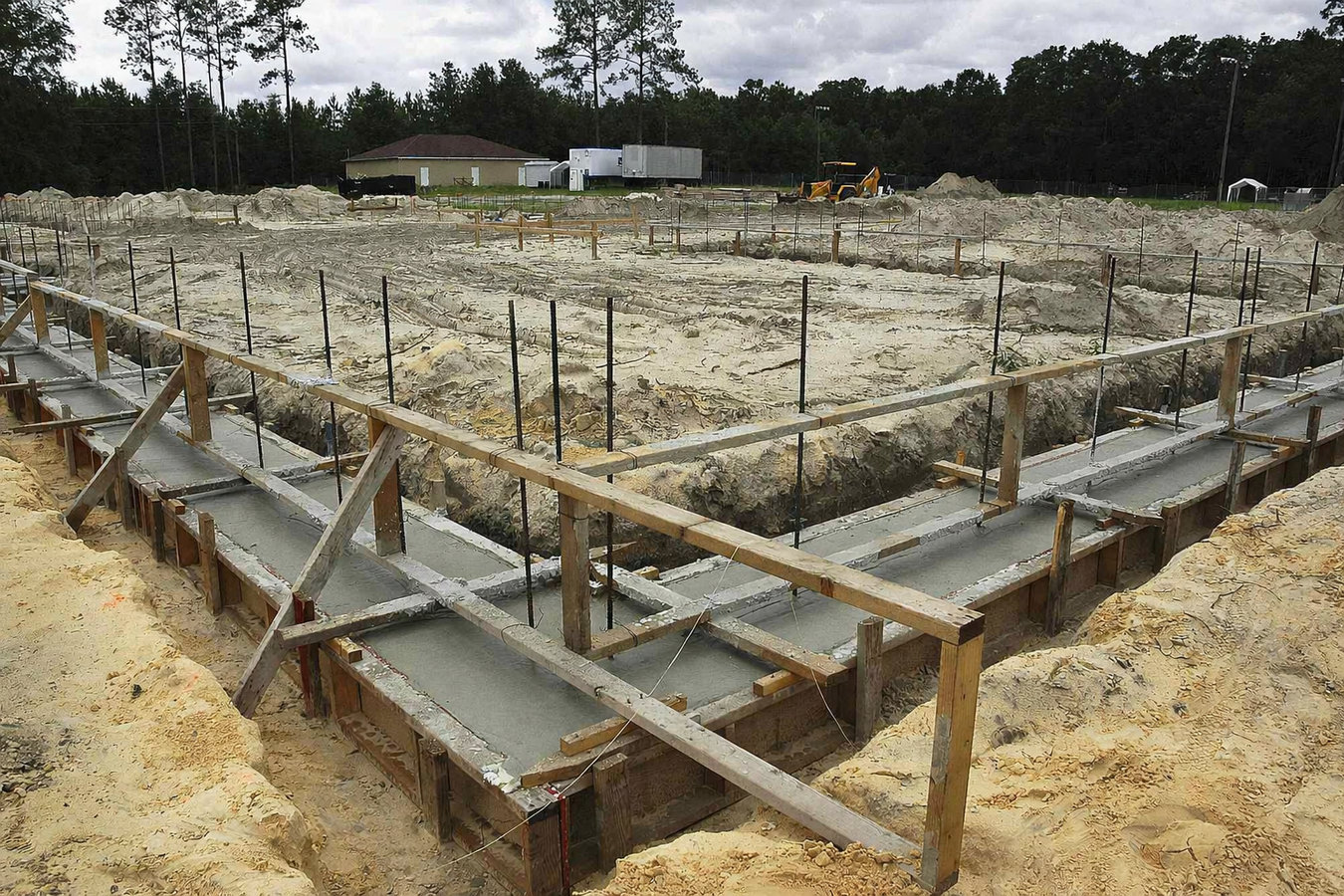
Adding a room, garage, or detached structure? The footings underneath determine whether it stays put or starts to shift in Youngsville's soft, clay-heavy soil. We size them right and pour them right.
Concrete footings in Youngsville are the underground base that holds up additions, garages, decks, and new structures - we dig to stable soil, set forms, place rebar, and pour, with most residential footing jobs taking one to two days plus a curing period before framing can begin.
In south Louisiana, footings matter more than in most parts of the country because the soil here - soft, clay-heavy, and close to the water table - moves with every wet and dry season. A structure built on footings that do not reach genuinely stable ground will shift, and you will see it in cracking walls, sticking doors, and gaps between floors and walls. If an existing structure is already settling, our foundation raising service addresses movement that is already underway before footings on any new addition are poured.
We pull the required permit before any digging starts, which means a city inspector will check the work at key stages - a built-in quality check that catches problems before they are covered up.
If you see cracks in your foundation - especially ones wider at the top than the bottom, or that run diagonally from window and door corners - the structure may be moving. In Youngsville's soft, clay-heavy soil, foundations can shift as the ground absorbs and releases moisture. Any crack that is growing or that you can fit a quarter into deserves a professional look.
When a house shifts even slightly, door and window frames go out of square - and suddenly doors that used to swing freely start sticking, or gaps appear at the top corners of frames. This is one of the earliest signs homeowners notice that something is happening at the foundation level, often after a wet season followed by a dry stretch.
Any new structure attached to or near your home - a room addition, covered patio, garage, or large deck - needs its own properly engineered footings. This is required by the building code, and it is what keeps the new structure from pulling away from the existing one over time. If a contractor proposes an addition without discussing footings at all, that is a red flag.
In slab-on-grade homes - common in south Louisiana - you may notice a gap forming between the floor slab and the base of interior or exterior walls. This can mean the slab is moving independently of the footings, or that the footings themselves have shifted. Either way, it is worth having a concrete contractor take a look before the gap gets wider.
We pour concrete footings for residential additions, detached garages, covered patios, and new standalone structures throughout Youngsville and Lafayette Parish. Every project starts with a site assessment - we look at the soil, check for drainage issues, and note any large trees nearby that could affect footing placement. Steel rebar is included in every load-bearing footing we pour because concrete alone handles compression but needs reinforcement to resist the lateral forces and soil movement common in this area. For projects that include a new foundation installation alongside the footings, we scope both under one permit so you are not dealing with two separate applications and two separate inspection timelines.
We also handle footing work for projects where the existing footings have shifted or cracked and need to be supplemented or replaced. If you are seeing signs of movement in an existing structure, we can assess whether the footings are the source of the problem and give you a clear recommendation on the most cost-effective path forward.
Best for homeowners adding a bedroom, sunroom, or covered porch - sized for the load and placed in stable soil regardless of what the surface looks like.
Best for garages, workshops, or storage buildings that need a permanent foundation rather than a surface-level slab sitting on bare ground.
Best for covered patios, pergolas, and elevated decks where post footings need to go deep enough to stay put through Youngsville's wet-dry soil cycles.
Best for existing structures showing signs of movement - we assess whether the footings are the cause and outline options for stabilization or replacement.
Youngsville sits in the Acadiana region on soft, clay-heavy alluvial soil left behind by centuries of river activity - the kind of ground that holds moisture, shifts with the seasons, and sits close to the water table. In much of the country, footing depth is determined primarily by frost lines, but in south Louisiana, the challenge is finding genuinely stable, load-bearing soil beneath the soft surface layer. That often means going deeper or using wider footings than a generic plan would call for. Youngsville also averages around 60 inches of rain per year, which means excavated footing trenches can fill with water before the pour even happens. A contractor who does not have a plan for managing that water is not ready to work here.
Louisiana requires contractors performing structural concrete work above a certain dollar threshold to hold a state license - and that requirement exists because the consequences of poor footing work are serious and not always visible until years later. Homeowners across Broussard and Carencro share the same soil profile and licensing requirements as Youngsville, and the same rule applies everywhere in Lafayette Parish: ask for the license number before you sign anything. You can verify it in two minutes at the Louisiana State Licensing Board for Contractors.
We come to your property to assess the soil, check drainage, and note anything nearby - like mature trees - that affects footing placement. You get a written estimate that spells out depth, size, reinforcement, and permit fees so there are no surprises after the first shovel goes in.
We apply for the required building permit through the City of Youngsville or Lafayette Parish before any excavation begins. Permit timelines can vary, so we factor that into your project schedule from the start.
The crew digs the footing trenches to the required depth, sets forms, and places steel rebar. This is the most labor-intensive part. In Youngsville's soil, we may also need to pump water from the trench before the pour if conditions are wet.
Concrete is poured, leveled, and finished. Depending on permit requirements, an inspector may verify the work before or after the pour. Plan for at least seven days before framing or significant load is placed on the footings - we will give you a specific timeline based on conditions.
We visit your site, assess the soil, and give you an itemized written quote - so you know exactly what is included before anyone starts digging.
(337) 483-1647We assess ground conditions at your specific site before pricing the job - not after we have already started digging. In Youngsville's soft, clay-heavy soil, that assessment shapes everything from footing depth to whether we need to manage water in the trench.
Steel reinforcement is standard in every structural footing we pour. Concrete handles compression well on its own, but rebar is what keeps it from cracking under the lateral forces and soil movement that are facts of life in Lafayette Parish.
We hold the required Louisiana state contractor license and pull permits for every structural footing job. The LSU AgCenter has documented the soil conditions across Acadiana that make licensed, inspected work especially important here - and we build to those standards.
With 60 inches of annual rainfall, we plan every footing project around the weather - including what happens if the trench fills before the pour. We do not rush pours in wet conditions or cut the curing period short to stay on a schedule that does not fit the concrete.
Footing work is invisible once it is done - which is exactly why it has to be done right the first time. Every project we take on in Youngsville is built for this soil, this climate, and the permit requirements that apply here.
If your existing foundation has already shifted, foundation raising addresses the movement directly rather than just patching visible symptoms.
Learn MoreFor new construction or full replacement, foundation installation covers the complete below-grade structure that footings alone do not address.
Learn MoreCall or request a free site visit today. We assess the soil, pull the permit, and pour footings built for Youngsville's clay and high water table - no shortcuts.