Loading...
Serving Youngsville, LA and surrounding areas. (337) 483-1647
Youngsville Concrete handles slab foundations, driveway replacement, retaining walls, and decorative concrete for homeowners across Lafayette. We know the city, the soil, and the building requirements here.
Youngsville Concrete handles slab foundations, driveway replacement, retaining walls, and decorative concrete for homeowners across Lafayette. We know the city, the soil, and the building requirements here.
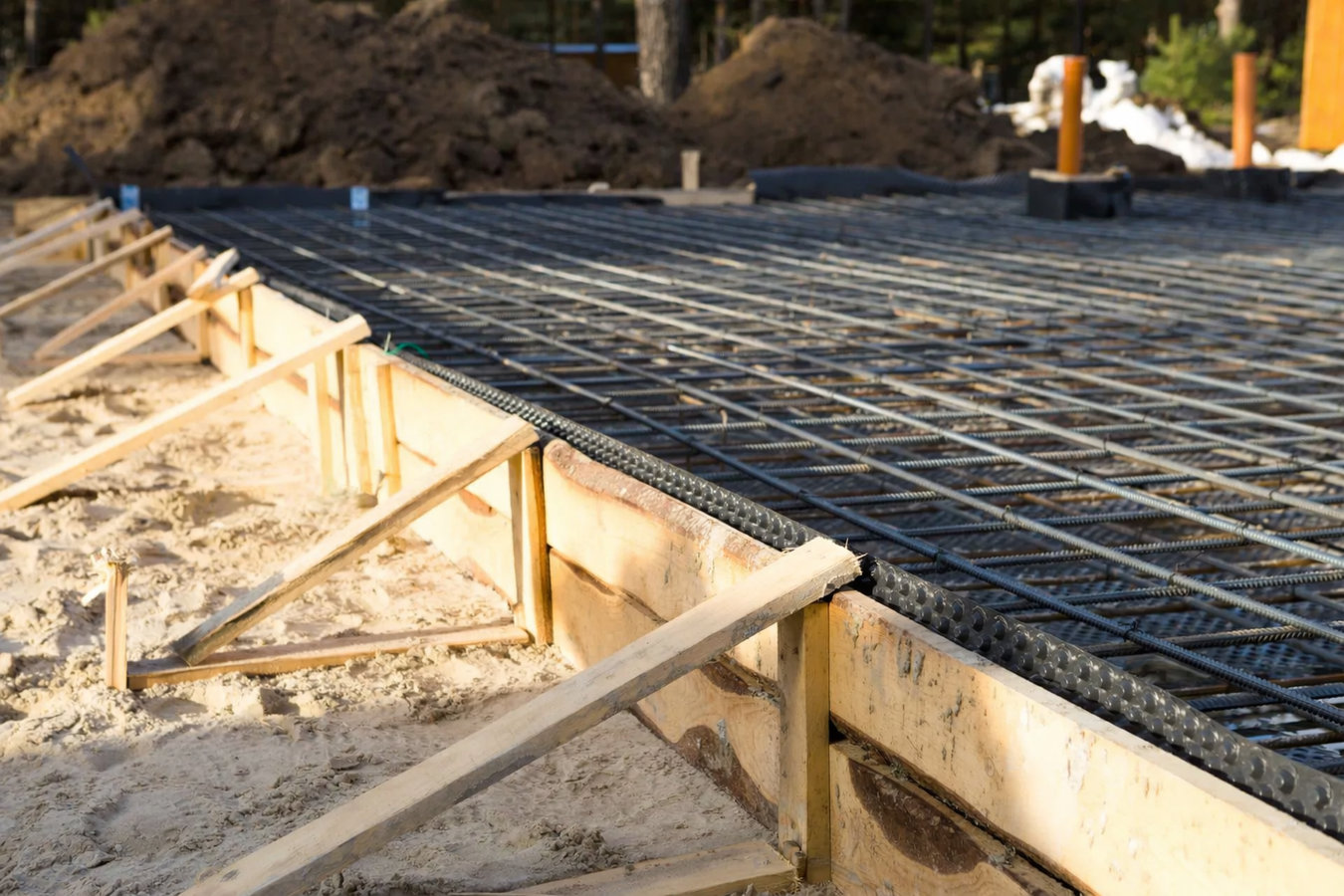
Lafayette sits on soft, wet soil with a high water table, and virtually every home in the city is built on a concrete slab rather than a basement. We build slab foundations engineered for the soil conditions and drainage characteristics of each specific lot.
A large share of Lafayette homes were built between the 1960s and 1990s, and many of those original driveways are now at or past their service life. We handle full replacements and extensions, accounting for the clay-heavy soil that causes surface cracking and edge spalling in this area.
Lafayette receives about 60 inches of rain per year on terrain that drains slowly, and retaining walls are a practical solution for lots where water runoff moves soil toward foundations or neighboring properties. We size and reinforce walls appropriately for the hydrostatic pressure common in this area.
Lafayette homeowners in established neighborhoods near the university and along Johnston Street often look for exterior finishes that stand out from the standard gray slab. Colored concrete, exposed aggregate, and stained finishes give outdoor spaces a distinct look without sacrificing durability in south Louisiana humidity.
Lafayette summers run hot from May through October, and residential pools are common throughout the city. We pour pool decks with slip-resistant textures and apply sealers rated for the UV exposure and temperature cycling that outdoor concrete in south Louisiana experiences every year.
Older Lafayette homes near downtown often have deteriorating brick or wood entry steps that need replacing. We build concrete steps with proper footings set below the frost line and with risers and treads sized to meet current Louisiana building code requirements.
Lafayette gets roughly 60 inches of rain per year, which is well above the national average, and it all falls on flat terrain with clay-heavy soil that drains slowly. That combination is hard on concrete. Water that pools around a slab edge works its way under the foundation, softens the subgrade, and accelerates the soil movement that causes cracking, heaving, and uneven floors. Homes from the 1960s through 1980s, which make up a large share of Lafayette's housing stock, were often built with thinner slabs and less rebar than current standards require. Many of those are now showing the results.
The August 2016 flood affected tens of thousands of homes across the Lafayette area and exposed foundation vulnerabilities that many homeowners had not noticed before. Even homes that did not flood directly sometimes discovered slab issues, shifted foundation edges, or failed drainage that the flood conditions revealed. Since then, permit requirements for concrete and foundation work in Lafayette have been updated, and the City of Lafayette Office of Planning, Zoning and Codes has tightened drainage and grading requirements. A contractor who stays current on those requirements saves homeowners from problems at inspection time.
Our crew works throughout Lafayette regularly, and we understand the local conditions that affect concrete work here. We pull permits through the City of Lafayette building department and are familiar with the current requirements for both residential and light commercial concrete projects. The University of Louisiana at Lafayette draws a steady stream of homeowners and property owners near campus who need driveway work, sidewalk repairs, and slab assessments on older rental properties, and we handle those jobs alongside larger foundation projects across the city.
Lafayette is a city of distinct neighborhoods. The older brick ranch homes along Ambassador Caffery Parkway and Johnston Street have very different concrete needs than the newer homes in the subdivisions spreading south and east toward Youngsville. Near Vermilionville and the historic core, homes are sometimes older than 80 years, and foundation assessments here require attention to original construction methods that differ from modern slab-on-grade standards. We work in both environments and adjust our approach accordingly.
Lafayette sits at the center of our service area. We work regularly in Scott to the west and in Youngsville to the south, so if your property spans either city boundary or if you are comparing contractors across the Lafayette area, we cover the whole corridor.
You can reach us by phone or through the contact form. We respond to every inquiry within one business day, and most calls are answered same day during normal business hours.
We come to your site at no charge, assess the soil conditions and existing concrete, and give you a written price. We explain exactly what the work involves so you are not comparing apples to oranges when you look at other estimates.
We handle permit applications with the City of Lafayette if the project requires one. We also manage demo of old concrete and subgrade prep before the pour, which is where a lot of the work that determines long-term performance actually happens.
We complete the pour and finishing, then walk you through the curing process before we leave. We are available after the project closes if questions come up, and we back our work with a written warranty.
We serve homeowners throughout Lafayette, from the older neighborhoods near downtown to the newer subdivisions out south. Call us or fill out the form and we will be in touch within one business day.
(337) 483-1647Lafayette is the fourth-largest city in Louisiana, with roughly 120,000 residents inside city limits and about 240,000 in the wider parish. It sits at the center of Acadiana, the French-speaking Cajun region of south Louisiana, and it serves as the regional hub for healthcare, commerce, and culture in the surrounding area. The city has a strong identity built around its Cajun and Creole heritage, and events like Festival International de Louisiane draw hundreds of thousands of visitors to downtown Lafayette each spring. The University of Louisiana at Lafayette, with roughly 17,000 students, anchors the eastern side of the city and generates a steady mix of residential and rental housing demand nearby. Cajun Field on campus is a central gathering point for the community on game days.
The housing stock in Lafayette ranges widely by neighborhood. Older areas near downtown include wood-frame Creole cottages and brick ranch homes from the mid-20th century, while newer developments out south toward Youngsville and east toward Carencro consist of larger homes on slab foundations built in the last 20 years. Nearby Youngsville is just a few miles to the south along Louisiana 89, and Scott sits directly to the west along Interstate 10. Both are part of our regular service area and face the same soil and rainfall conditions that affect concrete work across the Lafayette metro.
Custom patios that expand your outdoor living space beautifully.
Learn MoreSmooth, code-compliant sidewalks built for safety and curb appeal.
Learn MoreLevel, polished interior floors for homes and commercial spaces.
Learn MoreReliable slab foundations that support structures for generations.
Learn MoreCommercial parking lots designed for high traffic and longevity.
Learn MoreCall Youngsville Concrete today or send a message online. We cover all of Lafayette and the surrounding area, and every estimate is free with no obligation.